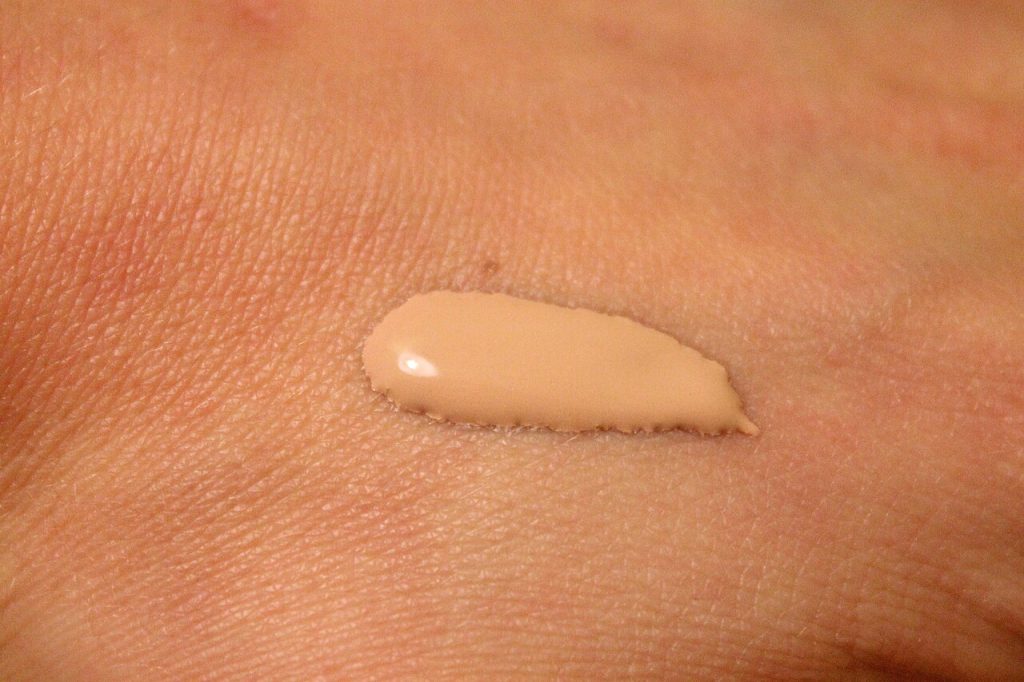
Pilling looks like a texture annoyance. It is actually a coverage problem. When a sunscreen rolls into small flakes under foundation, the film has broken, and the areas where it broke are receiving less protection than the label implies. Understanding why it happens turns a frustrating morning into a formulation decision you can control.
What pilling is, mechanically
Pilling occurs when a film forms on the surface and then adheres to the tool or the next layer more strongly than it adheres to the skin. The film lifts, rolls and collects. Three conditions make it likely: a film that dries too fast, a large mismatch in the solubility of consecutive layers, and too much mechanical shear during application.
Sunscreens are prone to it because they are formulated to form a continuous film and to resist water. Many use film-formers such as acrylates copolymers, which are designed to stay put. That is good for protection and bad for compatibility with the next product.
The second layer matters as much. A water-based foundation over a silicone-based sunscreen, or a silicone primer under a water-based one, creates an interface where the two phases do not merge. The upper layer sits on top, moves independently, and rolls when disturbed.
The chemistry behind the incompatibility
Thickeners are a common culprit. Carbomer and other anionic polymers can react with cationic ingredients such as some conditioning agents and certain UV filters, producing a complex that is no longer properly dissolved. The result is a grainy, stringy texture that balls up under friction.
Electrolytes cause a similar problem. Salts and buffers in one product can destabilise the emulsion in another, particularly when the second product relies on a sensitive surfactant system. This is why a sunscreen that works perfectly alone can pill only when applied over a particular serum.
Powders add a third mechanism. Iron oxides, silica and mica in tinted products absorb oil and water from the layer beneath, drying it into a film that then flakes. The drier the base, the more likely this is.
Application habits that make it worse
Rubbing is the most common cause. Sunscreen should be spread and then left alone; the more you work it, the more you disturb the film while it is setting. Applying the next layer immediately, while the sunscreen is still tacky, produces the same effect as mixing two incompatible products in the palm.
Applying too much product at once is another. A thick layer dries unevenly, with a set surface over a wet base, and the surface lifts. Two thinner layers with a short wait between them behave better than one heavy one, which is also the better way to reach the dose you need.
Pressing and patting rather than sweeping reduces shear. So does using a damp sponge rather than a brush for foundation, because the sponge deposits rather than drags.
Fixing it without reducing protection
The most effective change is to match bases. If your sunscreen is silicone-heavy, choose a silicone-based primer and foundation. If it is water-based and lightweight, keep the layers water-based and skip the heavy primer. Most pilling resolves with one substitution rather than a whole new routine.
Removing a layer helps more than adding a fixative. A serum, a primer, a moisturizer and a sunscreen is already four films; each additional one increases the chance of an interface failure. If you need a moisturizer, choose one that is light and let the sunscreen provide the emollience.
If the sunscreen itself is the problem, the formulation is the issue, not your technique. A gel-cream or a fluid with a simpler film-former system is less likely to pill than a heavy cream designed for the beach, and the protection can be equivalent.
Why it matters beyond appearance
Pilling concentrates product in the areas where the film rolled, which means the rest of the face is thinner. Since protection falls steeply with applied thickness, a patchy application can leave the cheeks and nose at a fraction of the stated SPF. The visible flakes are a signal that the distribution is uneven.
Reapplying over a pilled layer compounds the problem, because the new layer adheres to the flakes rather than the skin. Removing the residue with a light wipe and starting again is faster than trying to smooth it.
When pilling is not the real issue
If every sunscreen pills under every product, the problem is usually the amount being applied relative to the time allowed for it to set. That is a technique issue rather than a formulation one, and it is worth solving because under-applying to avoid pilling is the more common failure.
If you have a textured or flaking skin surface, product will collect around the flakes regardless of compatibility, and the fix is treating the barrier rather than changing brands. And if a product balls up with a burning sensation or redness, that is irritation rather than pilling and should be treated as a reaction. General information, not medical advice.